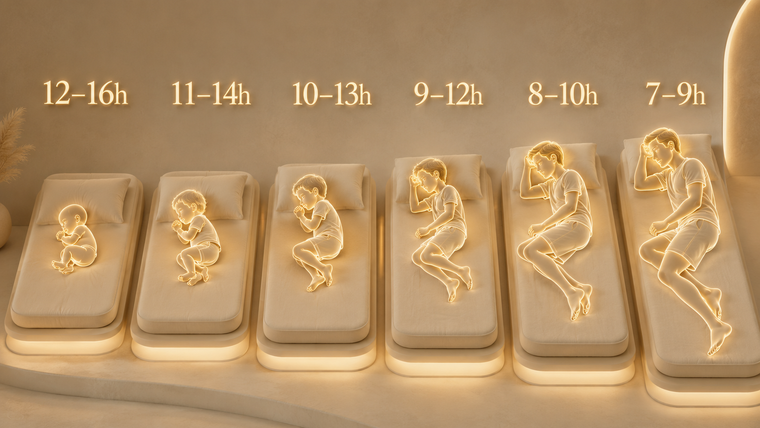
Poor sleep is a major risk factor directly linked to weight gain and obesity. Although sleep requirements vary from person to person, studies have shown changes in weight when people sleep less than seven hours each night. The Orion Strom team in collaboration with the reliableHealthline gathered and presents the 5 main negative consequences on our weight, when we don't sleep well!

1. Poor sleep means obesity increases (what the statistics say)
A major study by the US National Library of Medicine - National Institutes of Health showed that short sleep duration increased the likelihood of obesity by 89% in children and by 55% in adults. The same study followed about 60,000 non-obese nurses for 16 years. At the end of the study, nurses who slept five or fewer hours a night were 15% more likely to be obese than those who slept at least seven hours a night!2. Hormonal disorders
Additionally, many sleep disorders are exacerbated by weight gain . This is most likely caused by the effect of sleep on two important hunger hormones, ghrelin and leptin. Ghrelin is a hormone released in the stomach that signals hunger to the brain. Its levels are high before eating, when the stomach is empty, and fall to low levels after eating. Leptin is a hormone released by fat cells, suppressing hunger and signaling fullness to the brain. When you don't get enough sleep, the body produces more ghrelin and less leptin, leaving you hungry and increasing your appetite. The study showed that over 1,000 people who slept a few hours each night had 14.9% higher ghrelin levels and 15.5% lower leptin levels than those who got enough sleep. In addition, the hormone cortisol is higher when you don't get enough sleep. Cortisol is a hormone that can also increase appetite.3. Craving for fat and carbohydrates
Another negative effect of lack of sleep is that it actually changes the way our mind works. This makes us more prone to unhealthy food choices. Studies have found that lack of sleep can increase appetite for foods that are high in calories , such as carbohydrates and fats. This results in an increase in calorie intake. After all, when we are not sleeping, we tend to spend our time in front of the TV or the laptop, munching on things even out of lust.