


There is no single magic fix, but some habits help a lot: a steady sleep schedule, a dark, quiet and cool bedroom, less coffee and fewer screens in the evening, and a mattress that supports you. If the awakenings are frequent and last for weeks, talk to a doctor.
A short waking during the night is very common. What matters is understanding what causes it, so that it does not become a worry in itself.
Why we wake up at night
There are many causes, and they are often temporary: stress, a medicine, an illness, pain, jet lag. At other times the habits are to blame: irregular hours, too much coffee or alcohol, a room with light or noise.
There are also medical causes, such as sleep apnea, restless legs syndrome, acid reflux or an overactive thyroid. If you snore heavily, wake up tired or suspect any of these, talk to a doctor. A mattress will not fix them.
Our sleep goes through cycles, and between them it is normal to wake briefly, often without remembering it in the morning. That is not a problem. It deserves attention when the awakenings become frequent, when you cannot fall asleep again, or when you feel exhausted the next day.
If the cause is stress or sadness, talk to a specialist too. It is not a weakness, it is taking care of yourself.
Set a steady routine
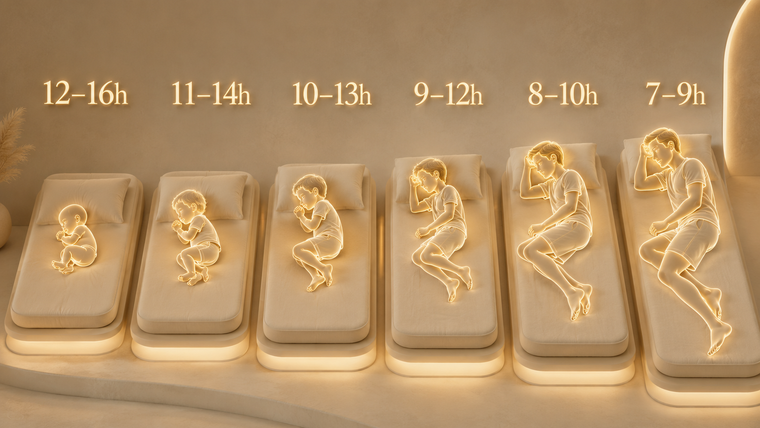
Start with the hours. Go to bed and get up at about the same time every day, even at weekends. Most adults need about 7 to 9 hours.
If you get very sleepy early in the evening, try to stay awake with a calm activity. Sleeping in the early evening may wake you later in the night. A midday nap is best kept to around 20 minutes.
Habits that help
Small changes in your daily habits often make the biggest difference. You do not have to change them all at once: start with one or two and see how you sleep after a few weeks.
- Build a relaxing routine before bed: a warm shower, some reading, quiet music.
- Put screens away a few hours before sleep. Blue light and the news you scroll through keep the mind alert.
- Avoid coffee after lunchtime and cut back on alcohol and nicotine in the evening.
- Exercise, but finish at least two hours before bedtime.
- Get daylight. Natural light helps set the body clock.
- Avoid heavy meals close to bedtime, especially if you get heartburn.
Look after the bedroom
The room should invite sleep: dark, quiet and cool. Use blackout curtains or an eye mask, earplugs or a fan that covers noise, and keep pets out. Put the clock out of your line of sight, because watching the time creates stress.
Watch the temperature as well. A room that gets too hot or too cold may wake you, and so may bedding and pyjamas that make you sweat. Choose what keeps you comfortable all night, according to the season.
The mattress counts too. If it is too soft or too firm for you, you may wake from pressure or pain. Sleep Match asks how you sleep and what you like and suggests mattresses that fit.
What to do when you wake up
Do not look at the clock and do not force yourself to sleep. The goal is to relax. If a thought is bothering you, write it on paper and leave it until morning. Tell yourself you have the whole next day to think about it. A calm, slow breath helps you relax.
If you are still awake after 15–20 minutes, get up and do something light, such as reading in dim light, and return to bed when you feel sleepy. Avoid your phone and social media: they keep the brain alert and make it harder to fall asleep again.
Sleeping pills may have side effects, such as sleepiness the next day, and they do not fix the cause. Talk to a doctor before taking anything.
In short
Find out what wakes you, and keep a steady routine and a bedroom that favours sleep. If your mattress is part of the problem, look at the mattresses and try them in person in one of the more than 200 stores where ORION mattresses are available.





DISCUSSION
Readers’ comments.